Gas Water Heater Buying Guide for Importers, Wholesalers and Brands
Sourcing a wholesale gas water heater is not simply about finding the lowest quotation. For importers, wholesalers, distributors and private-label brands, product selection affects compliance, profit margin, delivery reliability and after-sales costs.
Before choosing a gas water heater supplier, buyers should evaluate the gas type, water capacity, exhaust system, heat exchanger, burner, certification, customization options and replacement-parts support.
Gas Water Heater Buying Guide: Confirm Your Target Market Requirements
Before contacting a gas water heater factory, identify the technical and regulatory requirements of your market.
Gas Type and Pressure
Confirm whether the market uses LPG, propane, butane or natural gas. You should also check the required inlet pressure, burner nozzle, gas valve and whether the product needs a single-gas or dual-gas configuration.
LPG and natural gas models normally use different combustion settings. They should not be converted without proper engineering approval and testing.
Installation Environment
Tell the supplier whether the units will be installed in homes, apartments, hotels, commercial buildings, outdoor locations, low-water-pressure areas or projects with several outlets.
These conditions affect product capacity, exhaust design, safety functions and installation requirements.
Choose the Right Product Configuration
Capacity
Gas water heater capacity normally refers to the hot water flow rate per minute under a specified temperature rise. It does not refer to storage-tank volume.
| Capacity | Typical B2B application |
|---|---|
| 6–8 L | Small homes, single outlets and low-flow markets |
| 10–12 L | Standard residential distribution |
| 16–20 L | Apartments, hotels and multi-outlet projects |
A higher-capacity model is not always better. Water pressure, gas supply, climate and local usage patterns must support the selected product.
Exhaust System
Flue models use natural draft and can suit markets with appropriate ventilation and exhaust conditions. See our Flue gas water heater collection.
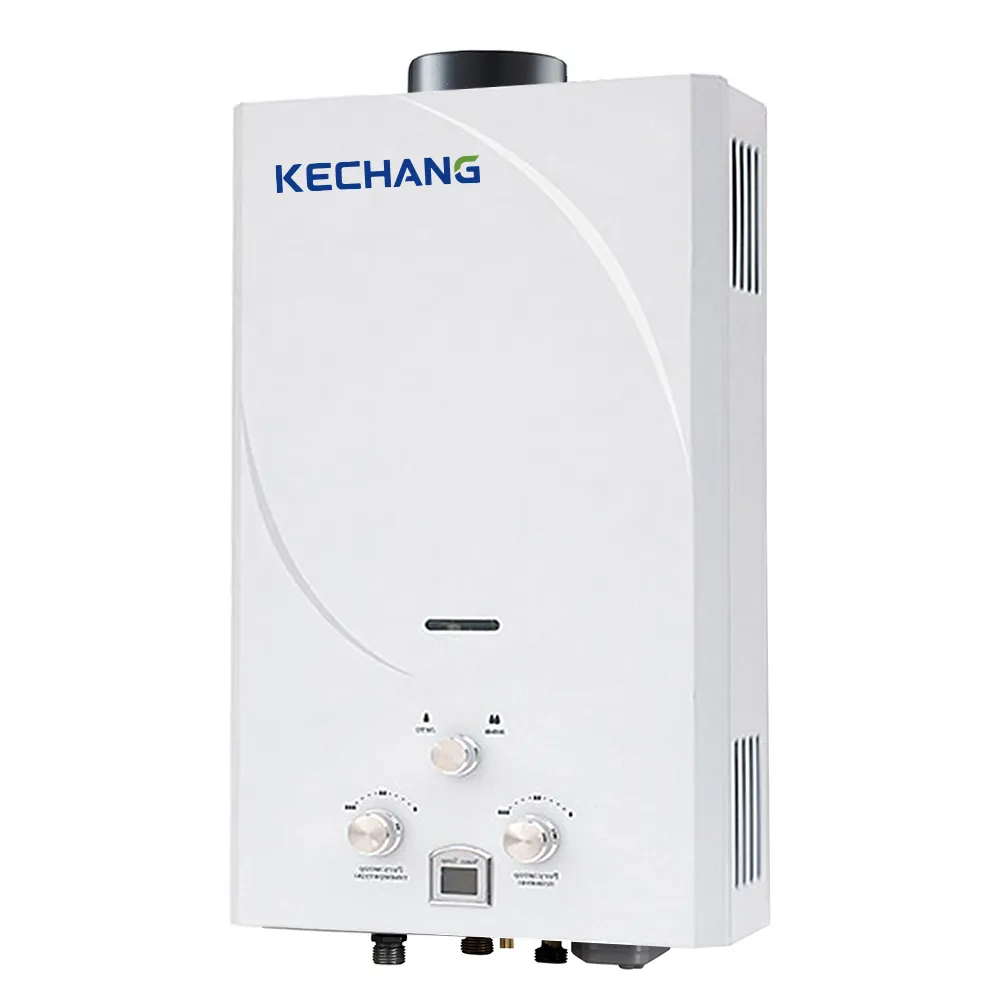
Forced exhaust models use a fan to discharge combustion gases. Buyers should check fan life, voltage, exhaust length limits and pressure-switch protection.
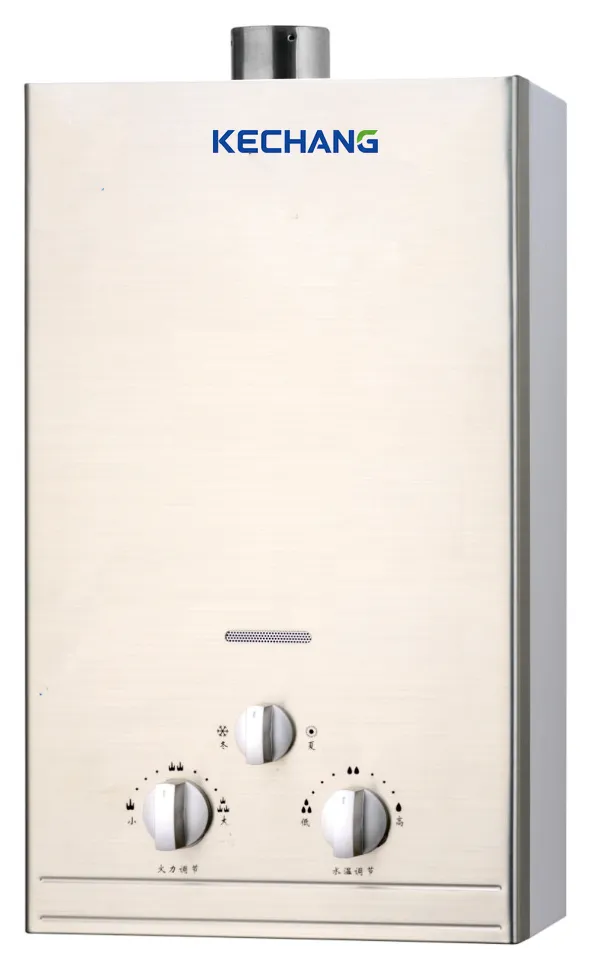
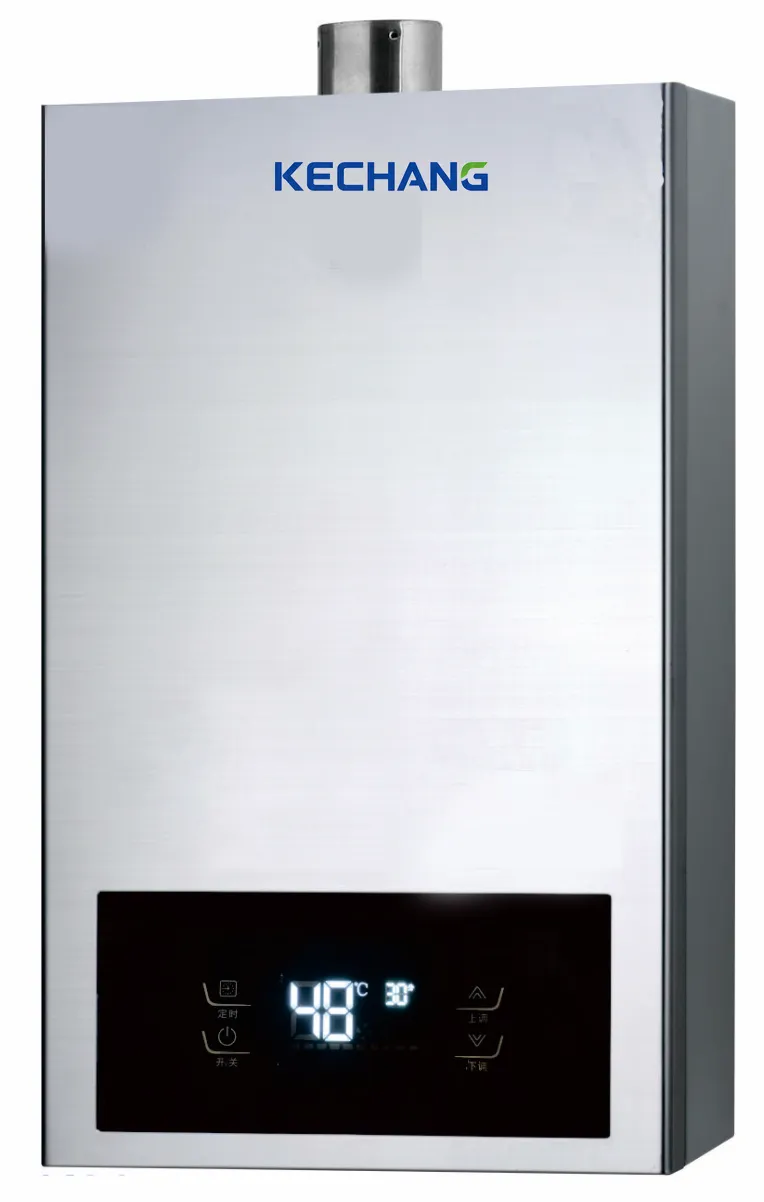
Balanced flue models draw combustion air from outside and discharge exhaust gases outdoors. They require compatible coaxial flue pipes and careful installation. See the forced balanced flue heat exchanger water tank.
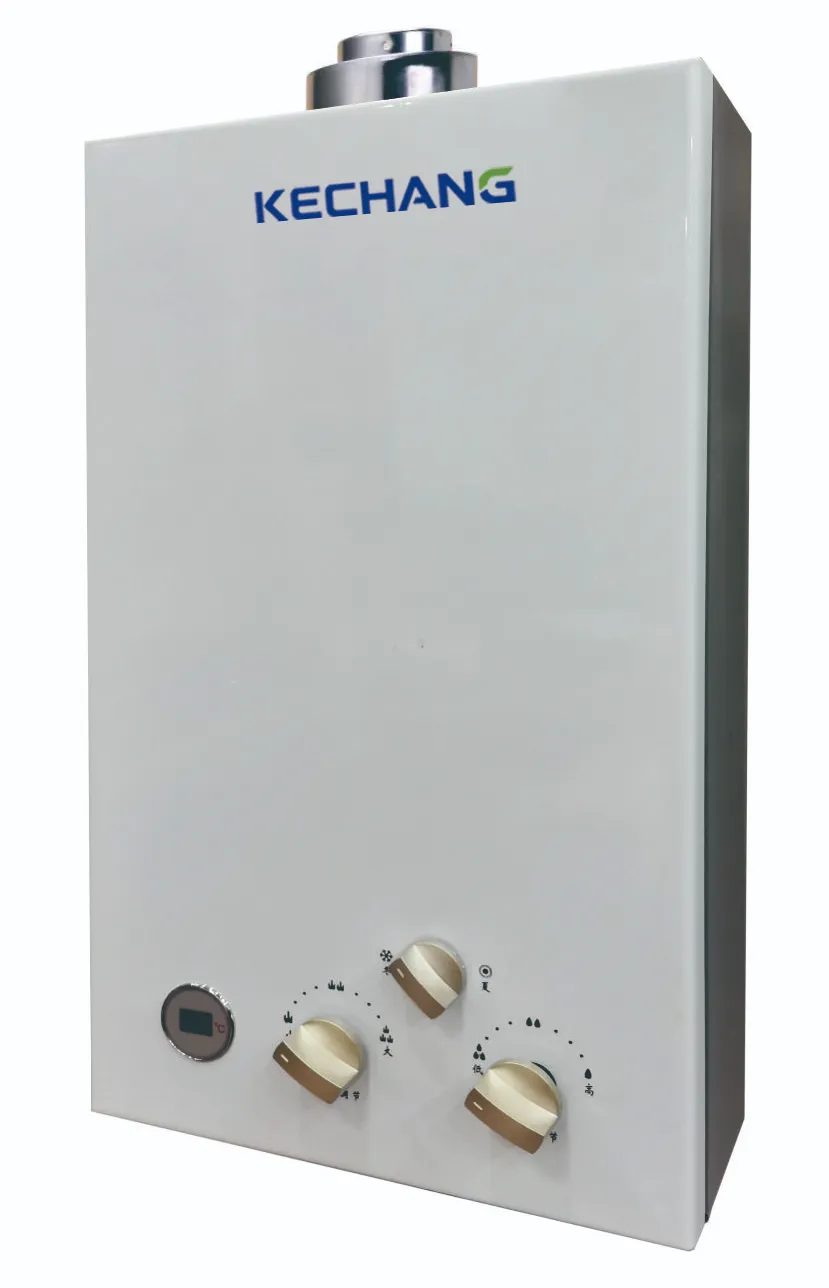
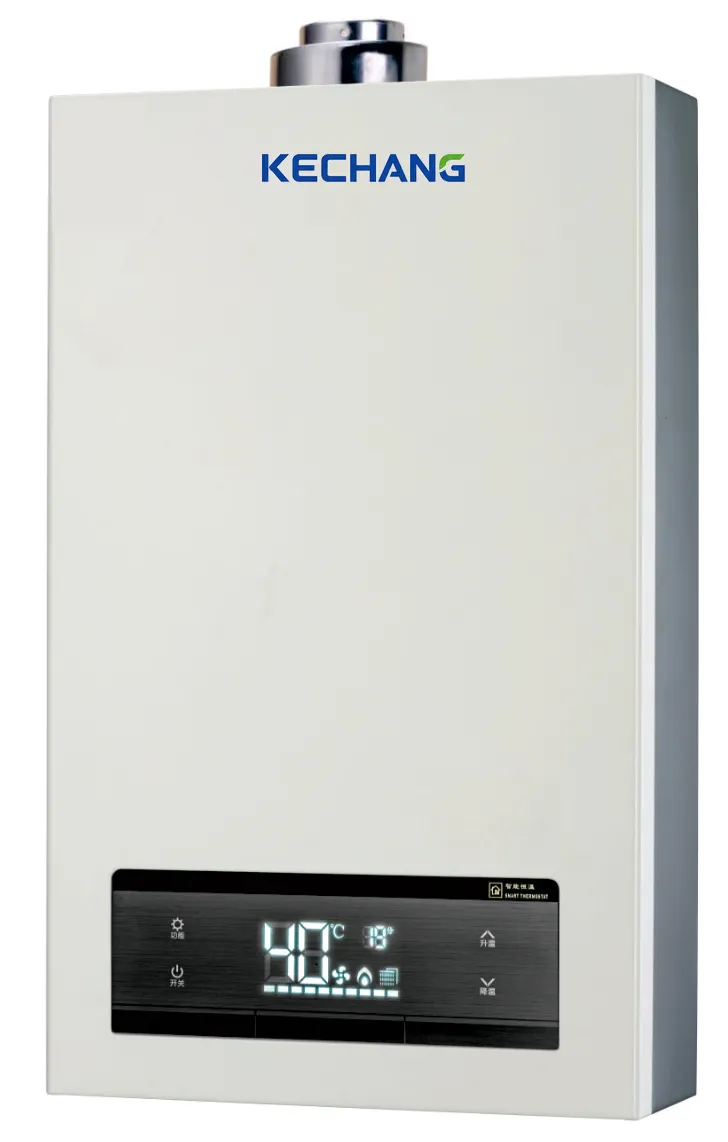
Tankless Gas Water Heater Design
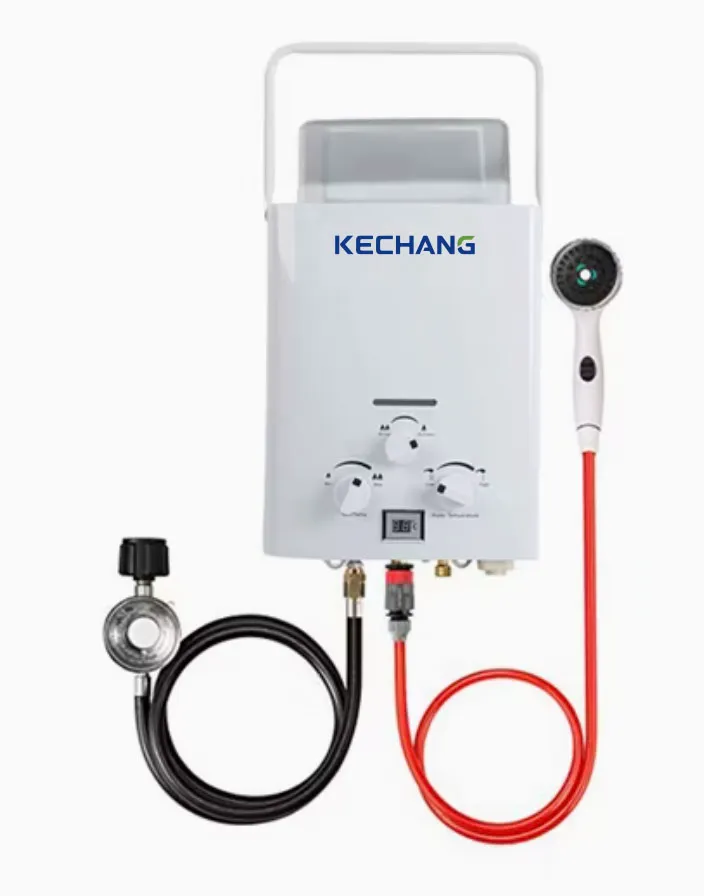
A tankless gas water heater provides hot water on demand without a large storage tank. A reliable tankless gas water heater supplier should provide clear flow-rate data, temperature-rise results, gas-pressure requirements and safety documentation.
Evaluate the Heat Exchanger and Burner
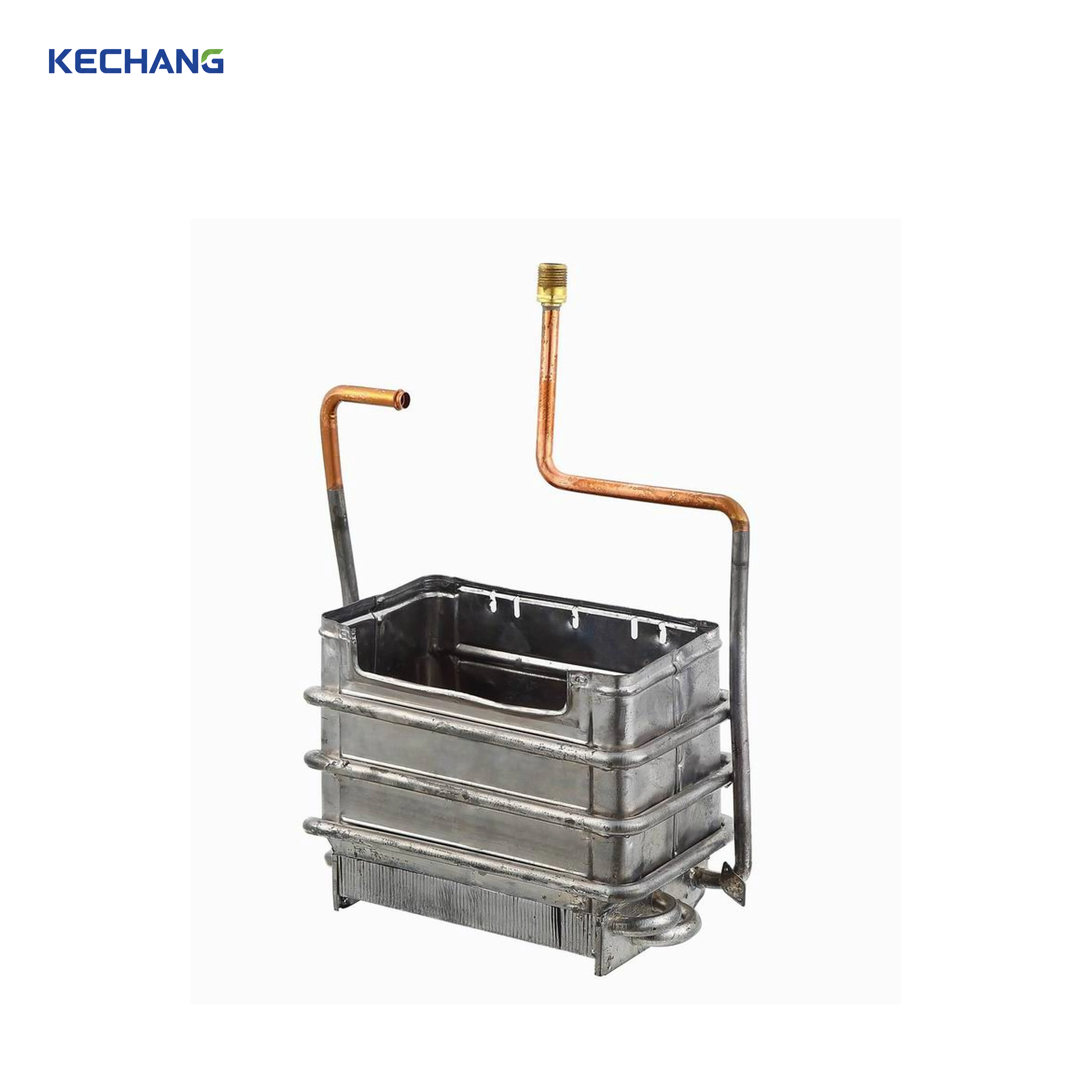
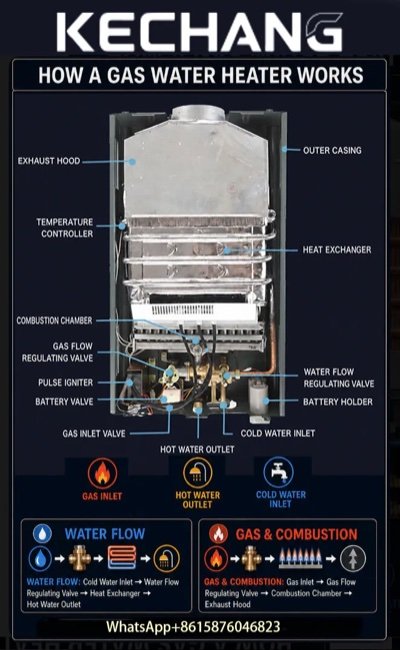
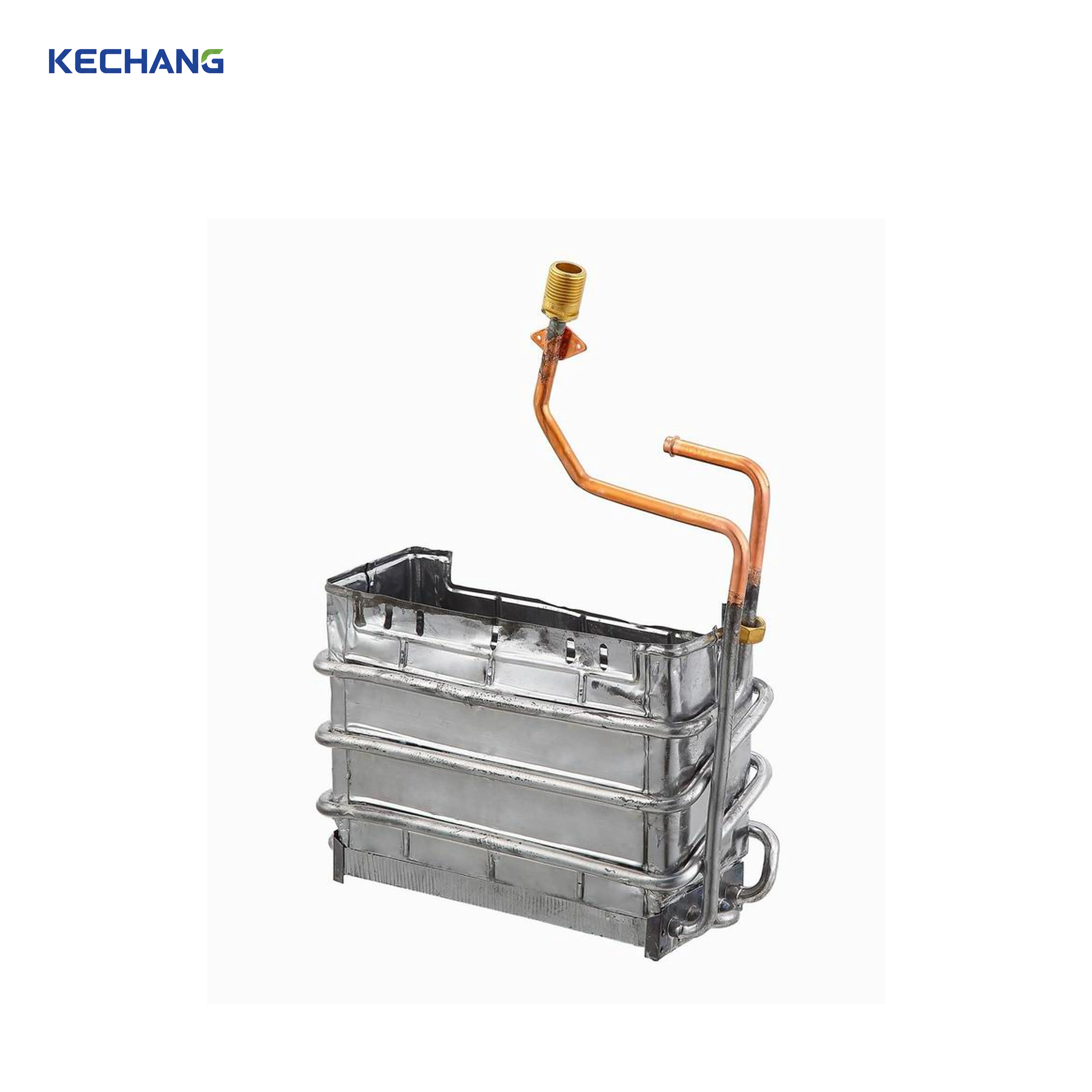
A heavier copper heat exchanger does not automatically mean better quality. Buyers should also review copper material, wall-thickness consistency, fin design, brazing quality, water-channel structure and pressure-test results.
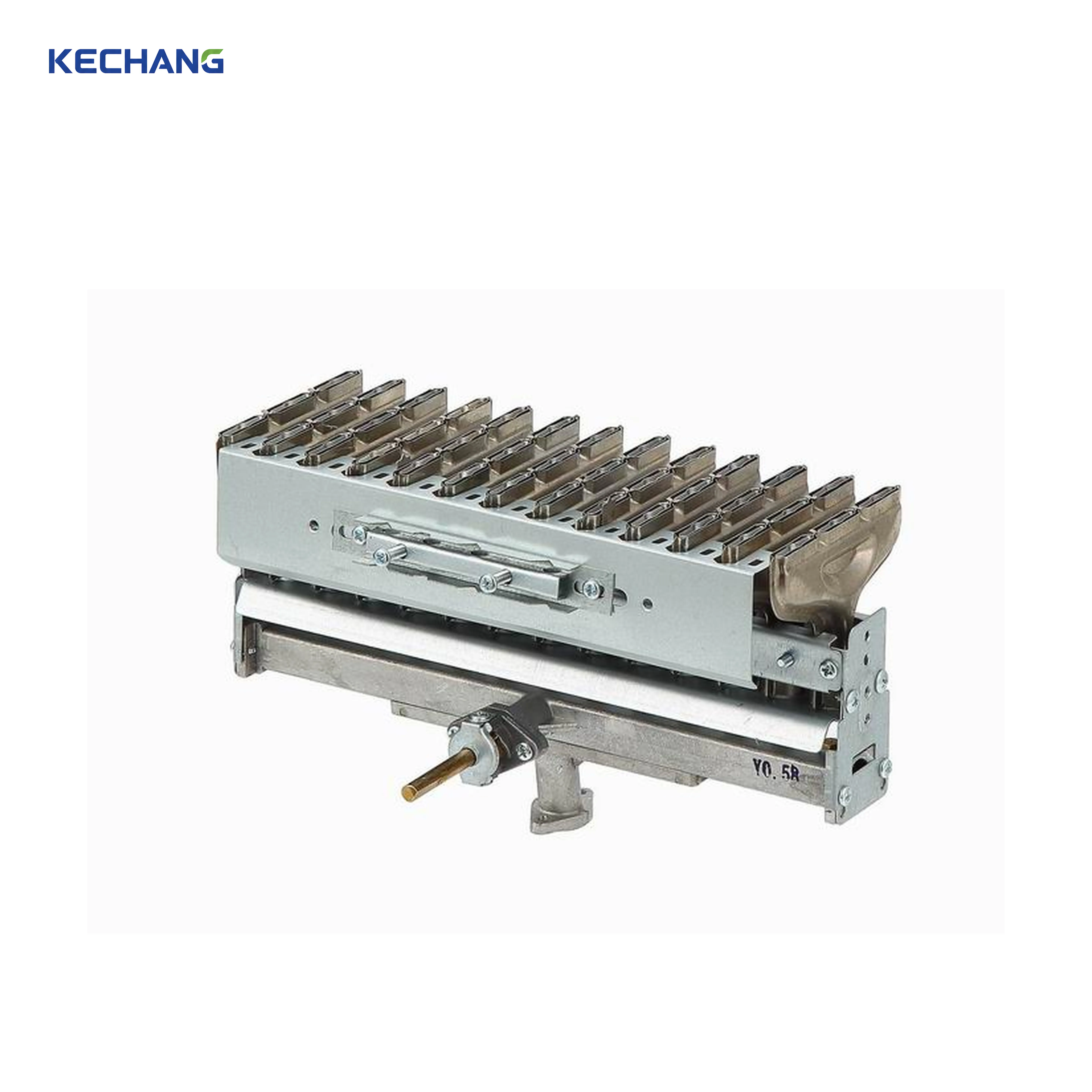
The burner must match the heat exchanger and expected flow rate. If burner input is too low, water temperature may drop during high-flow use. If it is too high, energy consumption and safety risks may increase.
You can review the 6L OEM heat exchanger and the 6–20L OEM heat exchanger series.
Select the Right OEM or Private-Label Model
An OEM/ODM gas water heater manufacturer may offer several cooperation models:
- OEM: Production based on your specifications and brand requirements
- ODM: Customization of an existing product platform
- Private label: Your own brand, packaging, labels and manuals
- CKD: Components supplied for local assembly
A private label gas water heater manufacturer should support branding, packaging, product labels, manuals and market-specific configurations.
More information is available on our OEM/ODM gas water heater page.
Calculate the Gas Water Heater Wholesale Price
The gas water heater wholesale price is only one part of the final procurement cost. Include samples, tooling, certification, private-label printing, freight, duties, spare parts, warranty claims and local service.
A low-priced product may become expensive if its failure rate is high or replacement parts are difficult to obtain.
Certification and Quality Inspection
Before placing an order, confirm the requirements for gas water heater certification in the destination market. Documents should match the exact model, gas type and configuration.
For official certification information, review the China Certification and Accreditation Administration before confirming the destination-market requirements.
CCC Certification and Market Inspection
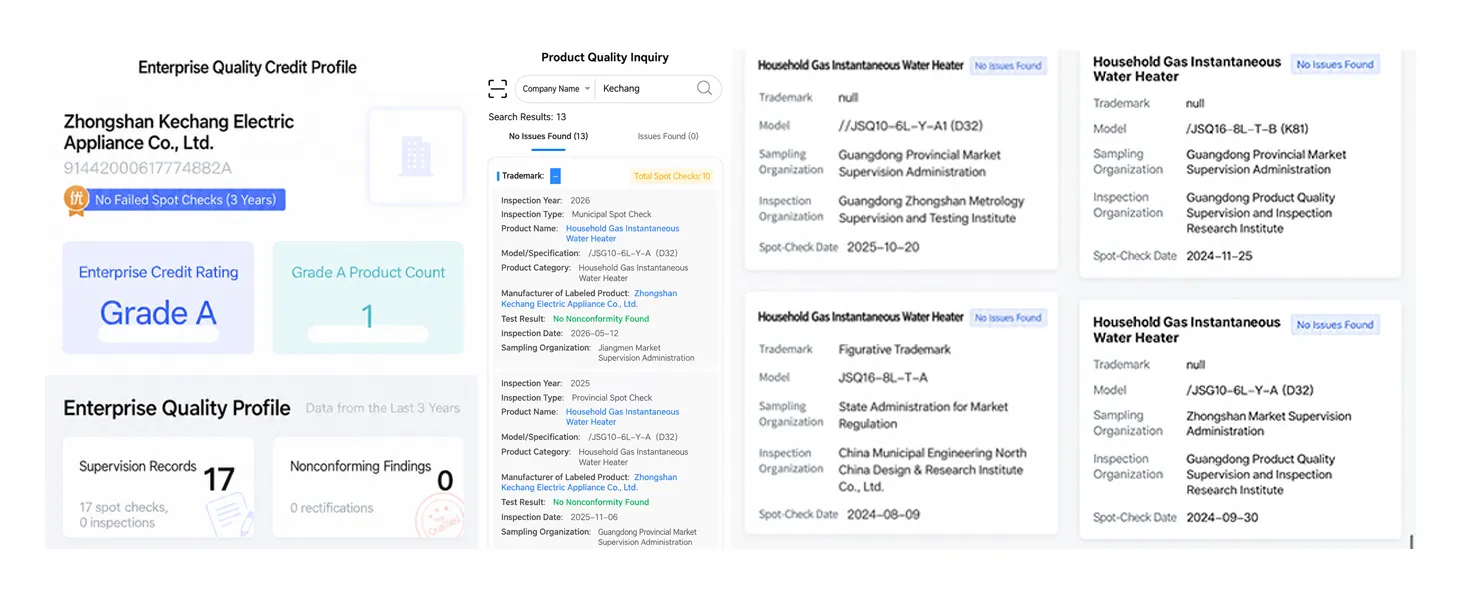
Kechang’s CCC-certified gas water heaters have passed market sampling inspections for three consecutive years. This record adds an important quality-control reference for importers: certification should be supported by consistent product performance, factory inspection procedures and traceable documentation. Buyers should still confirm that the certificate and inspection records match the exact model, gas type and configuration required for their market. Read the full CCC-certified gas water heater quality and supplier review for more background.
A professional gas water heater quality inspection should cover:
- Incoming materials
- Gas-tightness and water-pressure testing
- Ignition and shutdown
- Temperature stability
- Safety functions
- Final appearance and packaging
Ask the supplier for test reports, specifications, installation instructions and quality records.
Spare Parts and After-Sales Support
Reliable gas water heater replacement parts are essential for distributors and brands. Common parts include gas valves, ignition needles, temperature sensors, water-flow valves, control boards and knobs.
Before ordering, confirm spare-parts prices, stock levels, minimum order quantities and delivery times. See our gas water heater spare parts collection.
Gas Water Heater Buying Guide Checklist
Before selecting a supplier, request:
- Product specifications and gas-pressure data
- Rated capacity and test conditions
- Heat exchanger material and wall thickness
- Burner input and safety functions
- Exhaust requirements
- Gas water heater certification documents
- MOQ, lead time and packaging details
- Warranty and replacement-parts policy
Frequently Asked Questions
Is a heavier copper heat exchanger always better?
No. Weight is only one factor. Material, wall thickness, brazing, water-channel design and pressure testing are also important.
Is a 16L model always better than a 10L model?
No. The correct capacity depends on local water pressure, gas supply, climate and the number of outlets.
How can buyers verify heat exchanger quality?
Ask for material certificates, wall-thickness measurements, pressure-test reports and third-party inspection documents.
Conclusion
The best gas water heater is not always the cheapest or heaviest model. Importers should evaluate performance, certification, supply stability, warranty service and replacement-parts support before placing an order.
Suggested CTA: Request Gas Water Heater Specifications and an OEM Quote
Related Gas Water Heater Resources
For a structured sourcing checklist, read our gas water heater buying guide.
To compare available models and configurations, browse our gas water heater products.
To explore Kechang’s product categories and export services, visit the Kechang home page.
For company background and manufacturing experience, visit the Company Profile.
To understand production capability and OEM/ODM support, see the Gas Water Heater Factory Tour.
For inspection procedures and quality evidence, review the Quality Control page.
For model specifications, OEM/ODM projects, or a quotation, use Contact Us to send your requirements.