How a Gas Water Heater Works: Tankless Gas Water Heater Installation, Safety & Maintenance
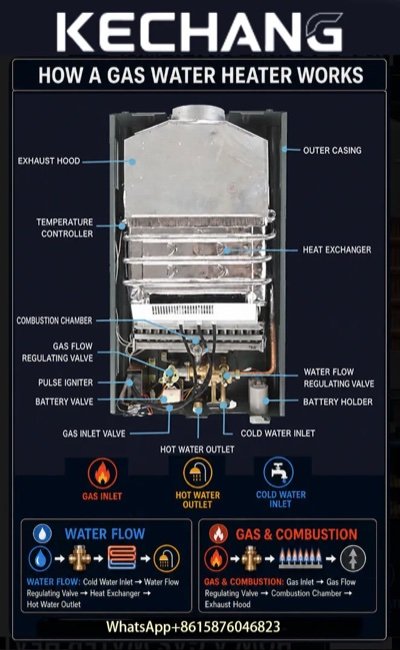
A tankless gas water heater works through an operating cycle: water flow activates the controls, the gas valve opens, ignition starts the burner, and the heat exchanger heats the water. The exhaust system then removes combustion gases. This sequence determines the key gas water heater installation checks: fuel configuration, water pressure, combustion air, ventilation, and safety controls. This guide explains how a gas water heater works and what to verify before and after installation.
In this guide
How the heating sequence works
Main gas water heater components
Gas water heater installation requirements
Safety controls and warning signs
Routine maintenance
FAQ
1. How a Gas Water Heater Works: The Heating Sequence
Step 1: Cold water enters the heater
When a hot water tap is opened, cold water enters through the inlet connection. A flow sensor or water valve detects movement and checks whether flow is high enough to start the unit. Low water pressure, a blocked inlet filter, or a partially closed valve can prevent startup.
Step 2: The control system confirms safe conditions
The controller checks signals from the flow sensor, temperature sensors, flame sensor, and safety shut-off devices. Depending on the model, ignition may use batteries, mains power, or a water-flow generator. Forced-draft models may also require the fan and pressure sensor before ignition is allowed.
Step 3: Gas is released and ignited
After the controller confirms startup conditions, the gas valve opens and the igniter produces a flame. The burner must match the specified fuel, such as natural gas or liquefied petroleum gas (LPG). Fuel conversion, gas pressure adjustment, and combustion testing must only be performed by qualified professionals. A natural gas water heater and an LPG model are not interchangeable without approved conversion parts and procedures.
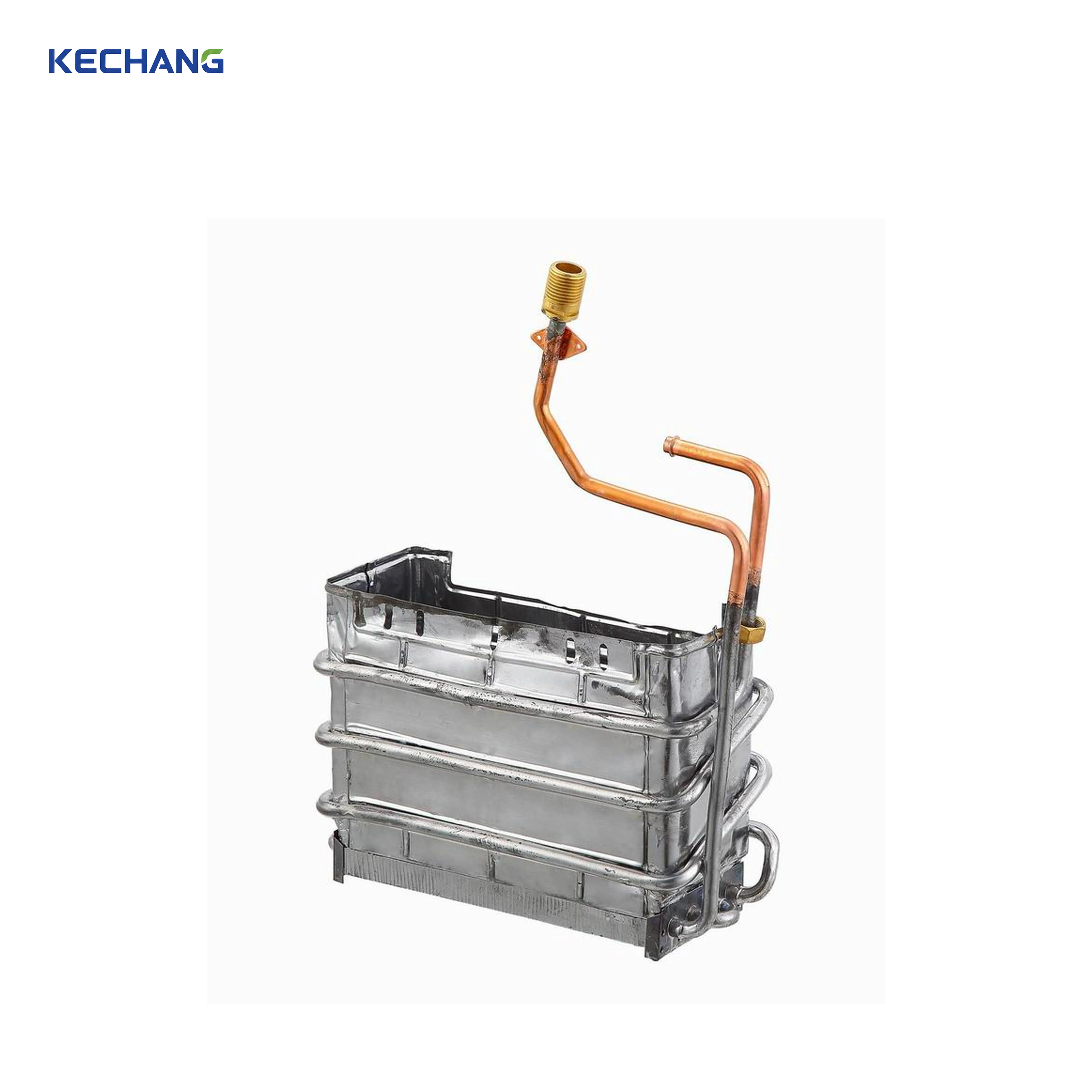
Step 4: The burner heats the heat exchanger
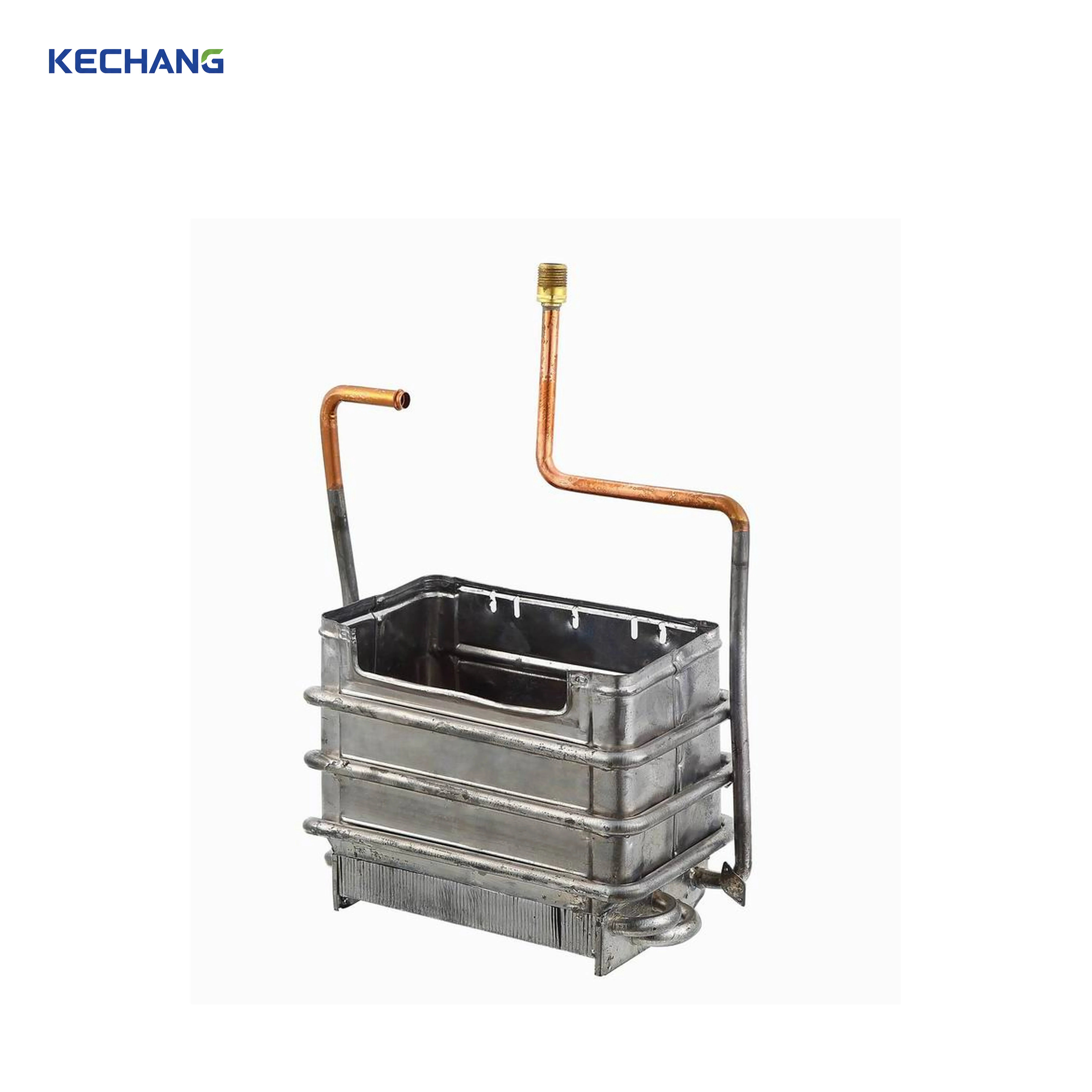
As the burner transfers heat to the water, water flows through the pipes in the heat exchanger. Copper and oxygen-free copper are common heat exchanger materials. The controller modulates burner input to help maintain the selected outlet temperature as demand varies.

Step 5: Hot water leaves and exhaust gases are removed
Heated water flows to the outlet, while the flue or exhaust system carries combustion gases away. A clear exhaust route and adequate combustion air are essential. When the tap is closed, the flow sensor signals the controller to stop the burner and close the gas valve.
2. Main Gas Water Heater Components
Water inlet and flow sensor: detects demand and helps control activation.
Gas valve and burner: regulates fuel input and produces heat.

Igniter and flame sensor: starts the burner and confirms flame presence.
Heat exchanger: transfers combustion heat to the flowing water.
Temperature sensors: monitor inlet and outlet conditions.
Controller and display: manages settings, error codes, and optional LCD information.
Flue or exhaust assembly: removes combustion products according to the model design.

Safety devices: protect against flame failure, overheating, overpressure, dry firing, and abnormal conditions.





3. Gas Water Heater Installation Requirements
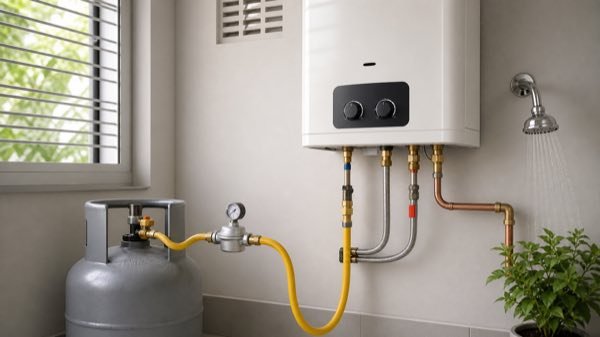
Correct gas water heater installation starts with the target market and the actual location. Before installation, confirm fuel type, inlet pressure, water pressure, required flow rate, power supply or battery operation, mounting surface, service clearance, and exhaust configuration.
Outdoor flue-vent models and indoor balanced-flue models have different intake and exhaust methods and installation requirements. A wall mounted gas water heater still needs safety clearances, weather protection, and an exhaust position that prevents combustion gases from entering windows or doors.
Use the correct LPG or natural gas configuration.
Confirm startup water pressure and operating gas pressure.
Have a qualified installer complete leak testing and installation.
Never install a gas water heater in a confined space without confirming ventilation and code requirements.
4. Safety Controls and Warning Signs
Modern gas water heaters use multiple protection systems. Flame-failure protection shuts off the gas supply when no flame is detected. Dry-fire protection helps prevent operation without adequate water flow. Overheat and overpressure protection respond to abnormal temperature or pressure conditions. Optional freeze protection may help protect water-filled components in cold climates.
Warning signs that require professional attention include yellow or lazy flames, soot, unusual combustion noises, gas smell, repeated ignition attempts, carbon monoxide alarms, water leaks, and repeated error-code shutdowns. Stop using the unit safely and contact the gas company, emergency services, or a qualified gas appliance technician as necessary.
For more information on carbon monoxide, see the CDC Carbon Monoxide Safety Guide.
5. Gas Water Heater Maintenance: Routine Maintenance
Gas water heater maintenance helps preserve water flow, temperature stability, combustion performance, and service life. Gas water heater routine maintenancefrequency depends on water hardness, fuel quality, operating hours, climate, and the manufacturer’s instructions.
Keep air intakes and flue terminals clear.
Check visible gas and water connections for leaks or corrosion.
Clean approved inlet filters where the manual permits.
Flush scale from the heat exchanger using approved procedures.
Replace batteries where applicable and check displayed error codes.
Schedule professional inspection of combustion, gas pressure, flame sensing, and safety shut-off.
Do not adjust the gas valve, burner pressure, flue, or sealed combustion parts based only on online instructions. Qualified technicians should handle combustion and gas system work.
6. Product and Purchasing Reference
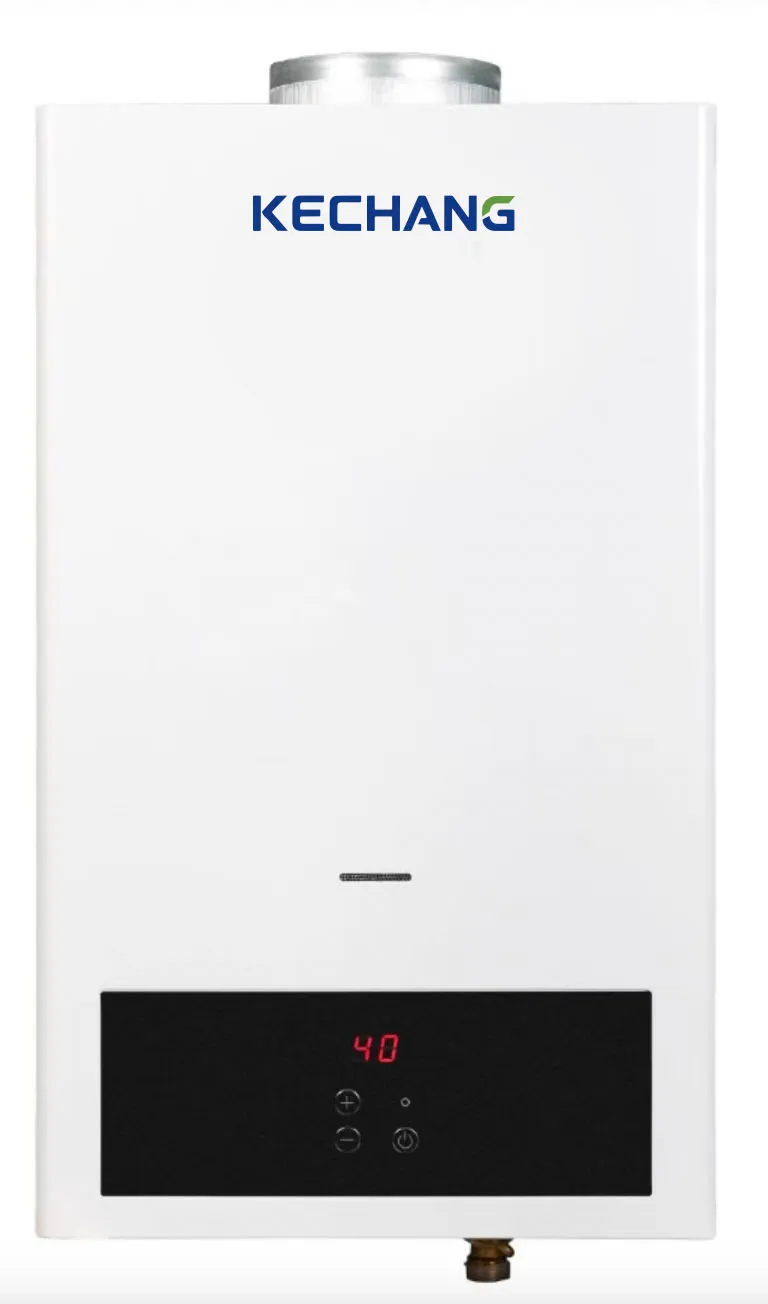
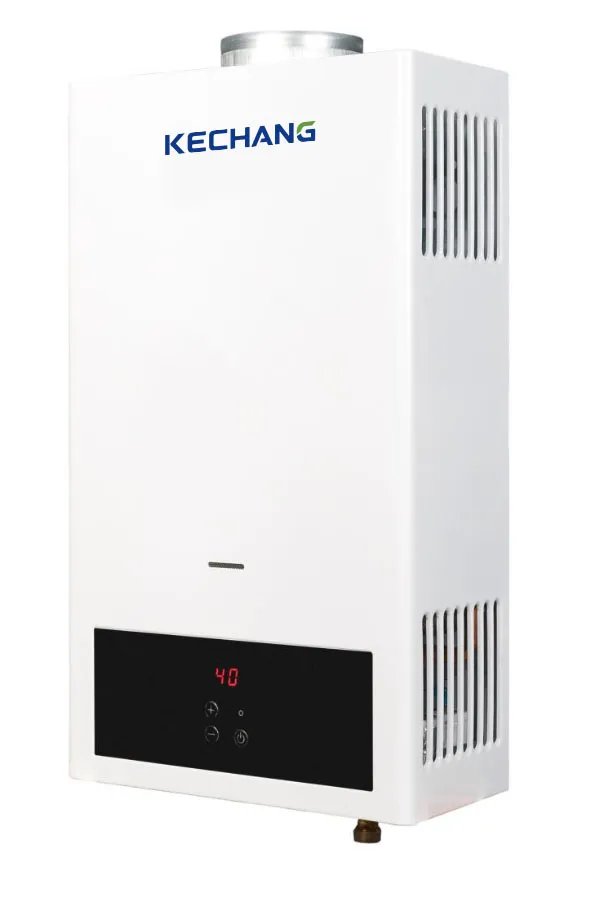
For a product example, see the 10L LPG Digital LCD Tankless Gas Water Heater and confirm the actual capacity, fuel, exhaust, protection, and OEM configuration required for your market.
Importers and project buyers can also read the China Factory B2B Buying Guide, visit the Company Profile, or send technical questions via Contact Us.
FAQ
How does a tankless gas water heater heat water instantly?
Opening a hot water tap activates water flow detection. The controller starts ignition, the burner heats the heat exchanger, and hot water flows from the outlet while the tap remains open. Actual flow and temperature depend on heat input, inlet water temperature, and water pressure.
Why does my gas water heater keep shutting off (gas water heater not working)?
Low water flow, unstable gas pressure, blocked filters, flame sensing faults, restricted exhaust, overheating, or normal minimum-flow conditions can all cause shutdowns. If the problem repeats, record the error code and arrange professional diagnosis.
Can I install a gas water heater myself?
Gas, combustion, flue, and safety work should be completed and commissioned by qualified professionals in accordance with local codes and the manufacturer’s manual. User-level checks should be limited to procedures specifically permitted by the manual.
What is the difference between an LPG and a natural gas water heater?
Burners, nozzles, gas pressure, regulators, and rating configurations may differ. Use only the fuel type shown on the nameplate and approved conversion parts and procedures.
When should I consider gas water heater replacement?
Consider replacement when the unit repeatedly fails, safety controls trip, the heat exchanger leaks, parts are no longer available, or the unit no longer meets current efficiency or code requirements. A qualified technician can confirm whether repair or replacement is the safer option.
Conditions to check before commissioning
Before commissioning, compare the nameplate with the fuel supply, confirm stable water flow, and verify combustion air and exhaust arrangements according to the model manual and local codes. Have a qualified installer test the safety controls. This explains how a gas water heater works; it does not replace specific model instructions or professional inspection.
Related Gas Water Heater Resources
For a purchasing checklist, read our Gas Water Heater Buying Guide.
To compare available models and configurations, browse our Gas Water Heater Products.
To learn about Kechang’s product categories and export services, visit the Kechang Homepage.
For production capacity and OEM/ODM support, see the Gas Water Heater Factory Tour.
For quality inspection procedures and quality evidence, view the Quality Control Page.