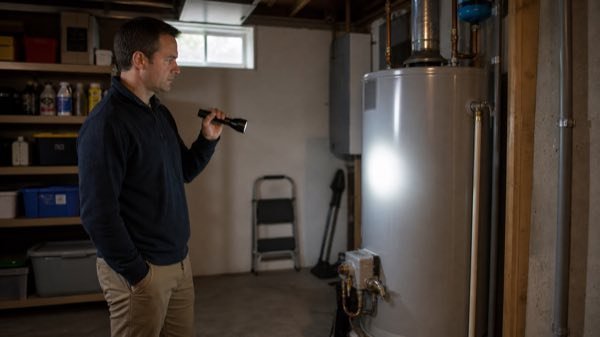
Gas water heater without electricity operation depends on the heater design. Some gas water heaters can ignite with batteries or a built-in generator during a power outage, while others need mains electricity for the control board, fan, display, or safety system. For a gas water heater without electricity, buyers, installers, and homeowners should confirm the ignition system, water flow, ventilation, and safety controls before operation during a power interruption.
Gas Water Heater Without Electricity: Can It Work?
A gas water heater without electricity may continue to operate only when its ignition and control system are designed for that condition. Battery ignition, water-flow activation, and mechanical safety controls can allow some models to start without a mains supply. Forced-exhaust and balanced-flue models commonly require electricity to run a fan and electronic controller, so they may shut down during an outage.
Check the rating plate and installation manual for the exact power source. Do not assume that a gas appliance is fully independent of electricity simply because gas provides the heat. A model may still need power for ignition, flame sensing, a display, a solenoid valve, or a combustion fan.
Why dry firing is dangerous
Dry firing means operating a water heater without adequate water flow through the heat exchanger. The burner can raise the temperature of an empty or poorly filled heat exchanger very quickly. This may damage copper tubing, seals, sensors, and protective components. It can also create a serious scalding or equipment-failure risk when water returns suddenly.
Never bypass a flow sensor, flame sensor, over-temperature cutoff, or other safety device. If the heater has been without water, close the gas supply and follow the manufacturer’s restart procedure. For general carbon-monoxide safety information, refer to the CDC carbon monoxide guidance.
Gas Water Heater Without Electricity: Five Safety Checks Before Restart
1. Confirm the water supply
Make sure the inlet isolation valve is open and that the plumbing system contains water. Open a hot-water tap briefly and confirm a steady flow before attempting ignition. Low water pressure or a blocked inlet filter can prevent a tankless heater from starting.
2. Check the gas type and supply
Confirm that the appliance is configured for the available fuel, such as natural gas or LPG. Check the rating plate and the gas regulator specification. Do not adjust gas pressure or convert fuel type without a qualified gas-appliance technician.
3. Inspect ventilation and exhaust conditions
Keep air inlets and flue terminals clear of dust, snow, leaves, and other obstructions. Do not dismantle a flue or sealed combustion chamber to solve a restart problem. Yellow flames, soot, unusual combustion noise, or a carbon-monoxide alarm require immediate professional inspection.
4. Check the ignition power source
For battery-ignition models, install the correct battery type and check the contacts. For electrically controlled or forced-exhaust heaters, verify whether the manufacturer permits operation during an outage. Do not connect an unapproved inverter or generator to the appliance.
5. Read the error code before resetting
Record the display code, water flow, temperature, and time of shutdown. A single reset may be permitted by the manual, but repeated lockouts indicate a fault that needs diagnosis. If you smell gas, hear repeated ignition attempts, or suspect carbon monoxide, leave the building and contact the gas utility or emergency services from a safe location.
How to choose the right model
When sourcing a gas water heater for a home, hotel, apartment, or B2B project, define the operating environment before comparing prices. Ask the factory whether the unit uses battery ignition, mains power, a water-flow generator, or a forced-exhaust fan. Also confirm the minimum water pressure, activation flow, rated capacity, fuel configuration, flue type, and local installation requirements.
- For intermittent outages: consider a model with an approved battery ignition and clearly documented restart procedure.
- For low-pressure areas: confirm the minimum start-up pressure and low-flow performance instead of relying on a general “low pressure” claim.
- For indoor installation: verify the flue route, ventilation, combustion-air requirements, and local code compliance.
- For importers and distributors: request sample testing, manuals, wiring diagrams, spare-parts availability, and fuel-conversion documentation before a bulk order.
For a product reference, review the 10L LPG digital LCD tankless gas water heater. To compare factory capabilities and OEM support, see the Company Profile or contact the team through Contact Us.
Maintenance after a power interruption
Once normal operation returns, inspect visible water connections, battery compartments, external filters, and the flue terminal. Flush scale only according to the owner’s manual. A qualified technician should check combustion, gas pressure, flame sensing, electrical controls, safety cutoffs, and exhaust performance when the heater has suffered repeated shutdowns or abnormal operation. More general guidance is available in the gas water heater installation and maintenance guide.
Frequently asked questions
Can every gas water heater run during a power outage?
No. Battery-ignition or mechanically activated models may work without mains electricity, but many electronic and forced-exhaust models require power for controls and ventilation. Check the specific model manual.
Can I light the heater manually when the electricity is off?
Only if the manufacturer provides a manual-ignition procedure for that model. Never open the cabinet, bypass safety controls, or introduce an external flame to an appliance that was not designed for manual ignition.
How can I prevent dry firing?
Confirm water is flowing through the heater before ignition, keep the inlet filter clean as allowed by the manual, and never bypass the flow sensor or over-temperature protection.
What should I do if the heater keeps turning off?
Check the water flow, error code, approved power source, gas availability, and visible vent condition without opening the appliance. If the shutdown repeats, stop using the heater and arrange qualified service.
Final safety note
A gas water heater combines fuel, combustion, heat, water, and sometimes electricity. Follow the product manual, local fuel-gas and building codes, and qualified installation instructions. The safest gas water heater without electricity is one whose ignition, control, ventilation, and protection systems are specifically designed and documented for that operating condition.
Related Gas Water Heater Resources
For a structured sourcing checklist, read our gas water heater buying guide.
To compare available models and configurations, browse our gas water heater products.
To explore Kechang’s product categories and export services, visit the Kechang home page.
To understand production capability and OEM/ODM support, see the Gas Water Heater Factory Tour.
For inspection procedures and quality evidence, review the Quality Control page.