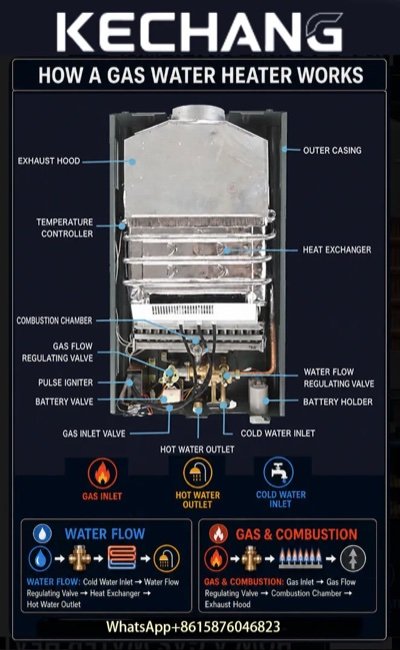
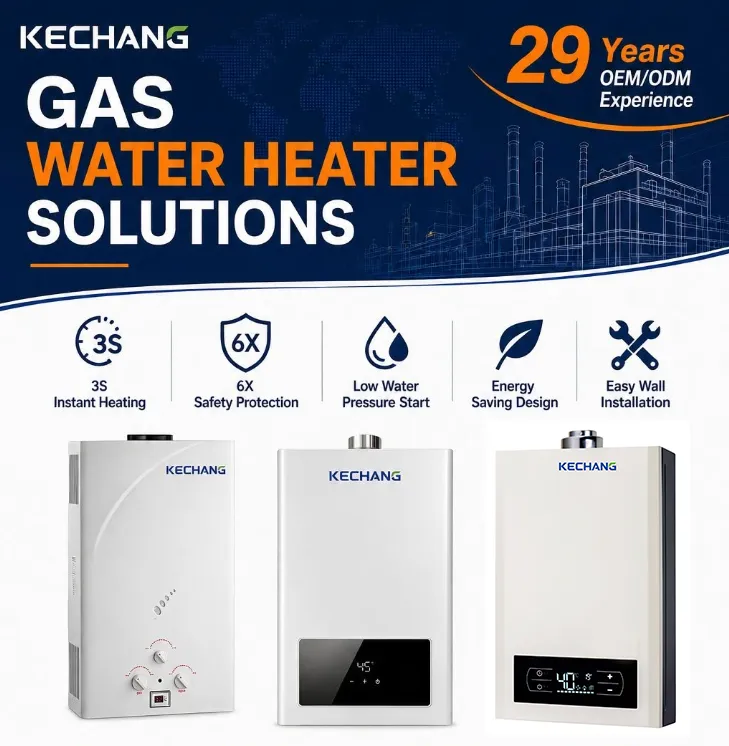
In low water pressure application scenarios in Afghanistan, India, Pakistan, Lebanon, and parts of rural South America, importers and brand owners need more than a flue type gas water heater that “can start at low pressure.” They also need to confirm whether the equipment can stop heating in time when water flow is insufficient or the outlet is abnormal.
In an ODM project for the Latin American market, we developed a dry-burn protection solution for flue type gas water heaters around low water pressure startup and abnormal temperature rise risks, and based on this planned product configurations for brand owners to choose from.
Project Requirements: Balancing Low Water Pressure Startup and Abnormal Protection
Low Water Pressure Valve Improves Startup Adaptability
The low water pressure valve, through the pressure-bearing and opening/closing structure of the water valve, enables the flue type gas water heater to start at lower water flow pressure (0.025–0.8 MPa). It can help the product adapt to some low water pressure installation environments.
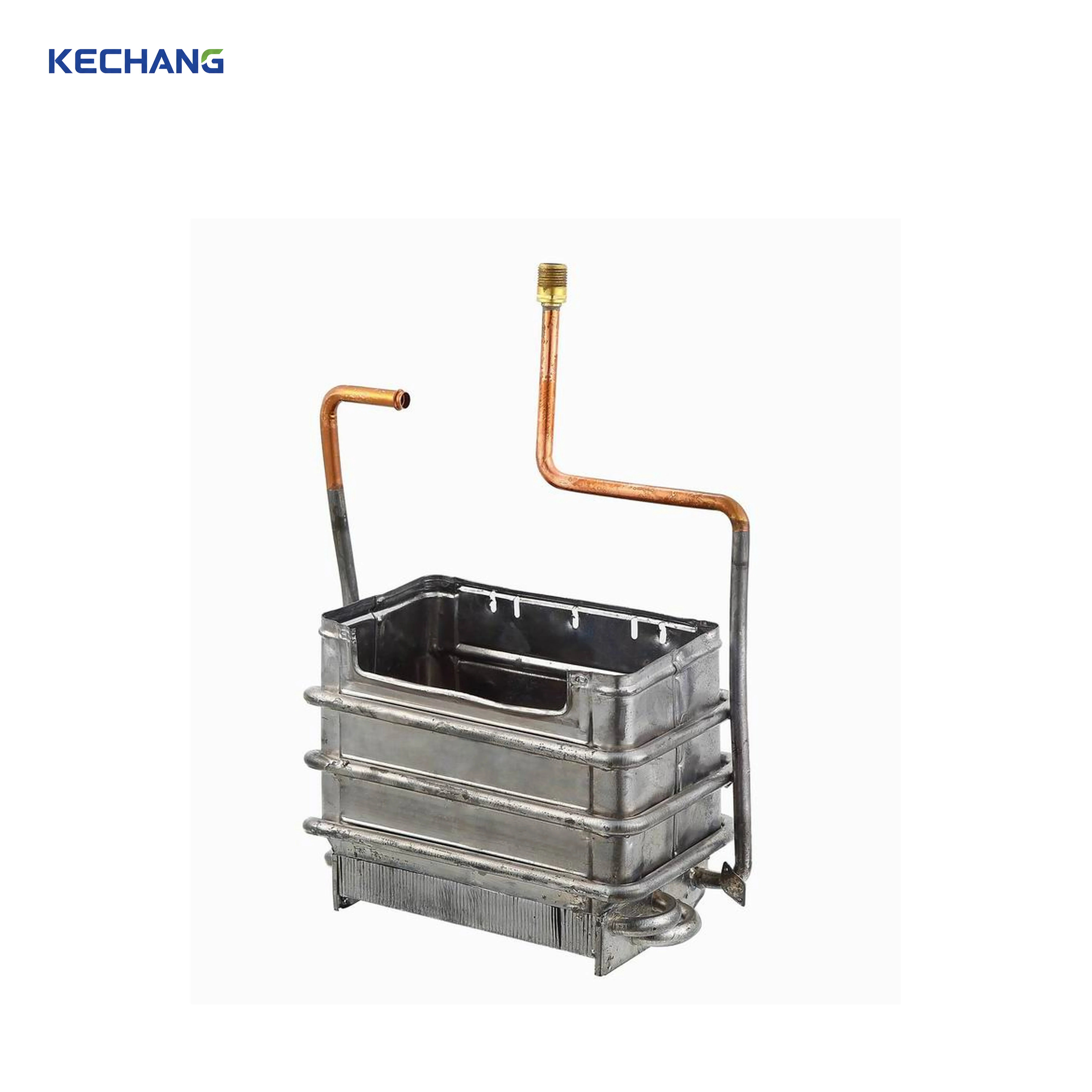
However, if the pipeline is restricted, the outlet is blocked, water is shut off by mistake, or steam backflow occurs in the water circuit, and combustion is not stopped in time, the temperature of the heat exchange components may continue to rise and cause dry burn.
Therefore, the development focus of the project is not only to improve startup capability, but also to shut down in time and prompt the user of a fault when abnormal temperature rise occurs.
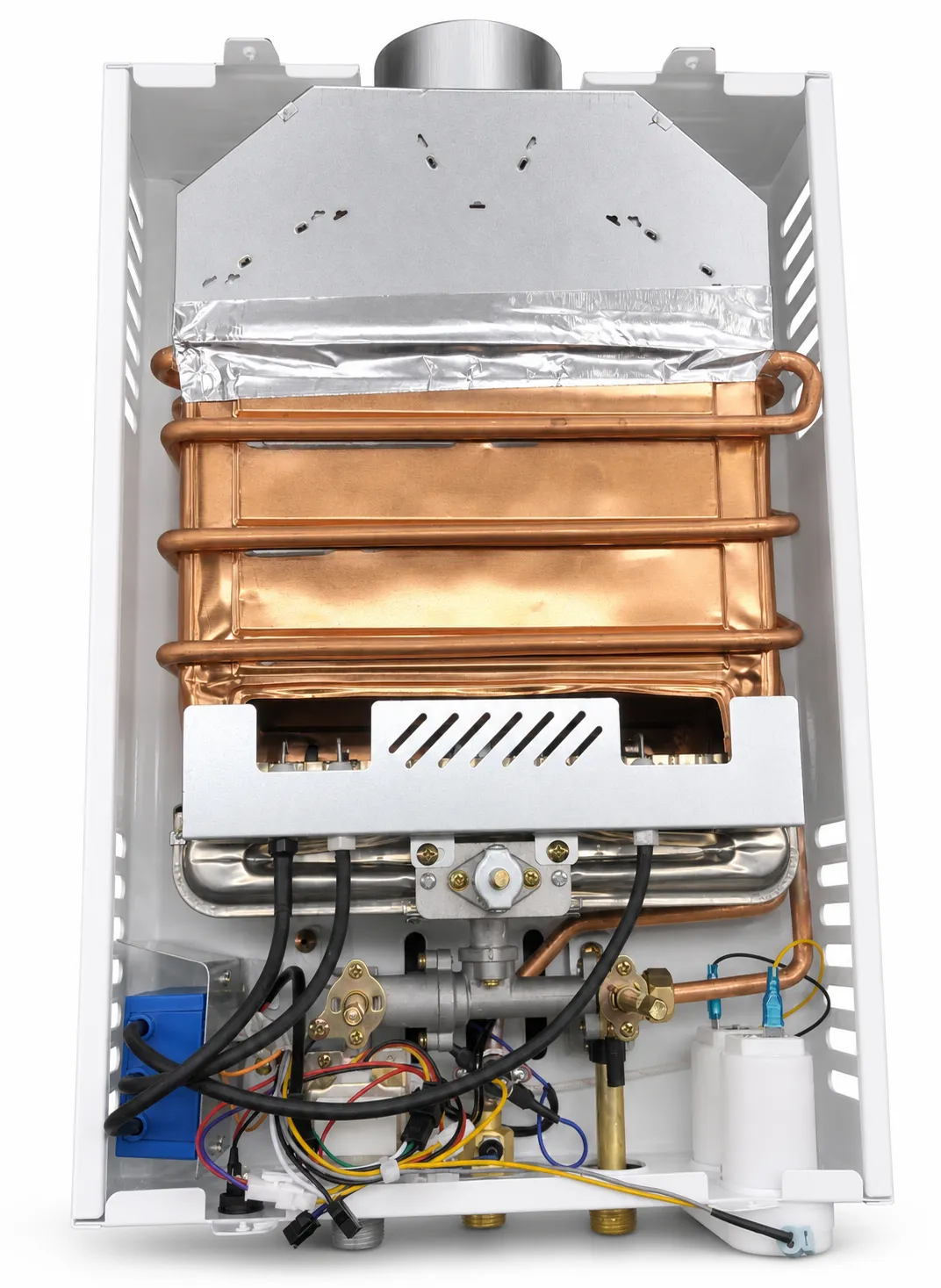

ODM Development Solution: Thermostat, Pulse, and Display Linkage
Monitoring Temperature and Triggering Shutdown
The new dry-burn protection system links the thermostat, pulse, and display. The system monitors the outlet water temperature; when the temperature exceeds the 75°C protection threshold, the pulse triggers shutdown, and the display shows E3, indicating that the equipment has entered abnormal protection status.
Making the Protection Status Faster and Easier to Identify
Compared with the conventional thermostat solution in the materials, the new solution records a response time of no more than 1 second and a temperature error of ±1°C; the conventional solution records several seconds and ±5°C. The E3 prompt on the display also provides information for subsequent fault identification.
These values come from the test materials provided for this project, and the scope of application should be based on the corresponding model and test conditions. [Project test materials — source/link to be added for review.]
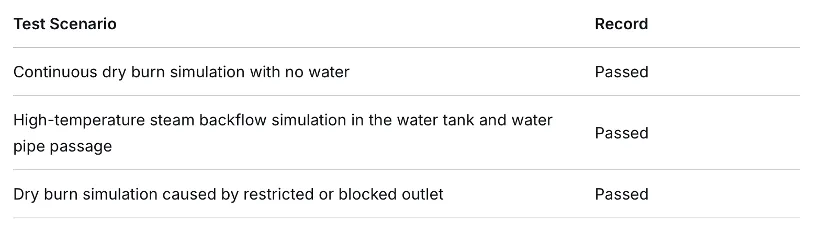
Test Verification: Covering Three Types of Abnormal Conditions
The project materials record that the following simulation tests all passed:
Product Line Development Plan: Providing Different Protection Configurations
To meet different market positions and procurement budgets, low water pressure flue type models can be planned in different configurations. The following are product line configuration directions; specific SKUs and mass production status need to be confirmed according to the customer project.
Low Water Pressure Startup Basic Configuration
The low water pressure valve improves startup adaptability, suitable for projects that are more sensitive to product price and basic functions. Buyers need to confirm specific startup conditions, actual flow requirements, and applicable installation environment.

Dry-Burn Protection Upgraded Configuration
On the low water pressure startup configuration, the thermostat, pulse, and display linkage are added, and E3 fault prompt is supported. Suitable for brand projects that hope to strengthen abnormal temperature rise protection and improve after-sales fault identification capability.
For gas water heater installation projects, on-site water pressure, flow rate, and piping conditions should also be included in selection confirmation. The installation and flue exhaust requirements of flue type products should be based on the corresponding model materials and target market regulations. You can learn about related models from our flue type gas water heater product series.
Through this project, we combined the low water pressure startup requirement with dry-burn protection design, and formed product line development directions for basic configuration and upgraded configuration. Customers can choose a configuration according to target market, procurement budget, and product positioning, and then confirm the final solution through samples and corresponding tests.