Electric vs gas tankless water heater decisions should be based on energy supply, hot-water demand, installation conditions, operating cost, and maintenance—not only the purchase price. For homes, apartments, hotels, distributors, and B2B projects, a tankless gas water heater can provide high flow with gas fuel, while an electric model may simplify installation where gas service is unavailable.
Electric vs Gas Tankless Water Heater: Which System Fits?
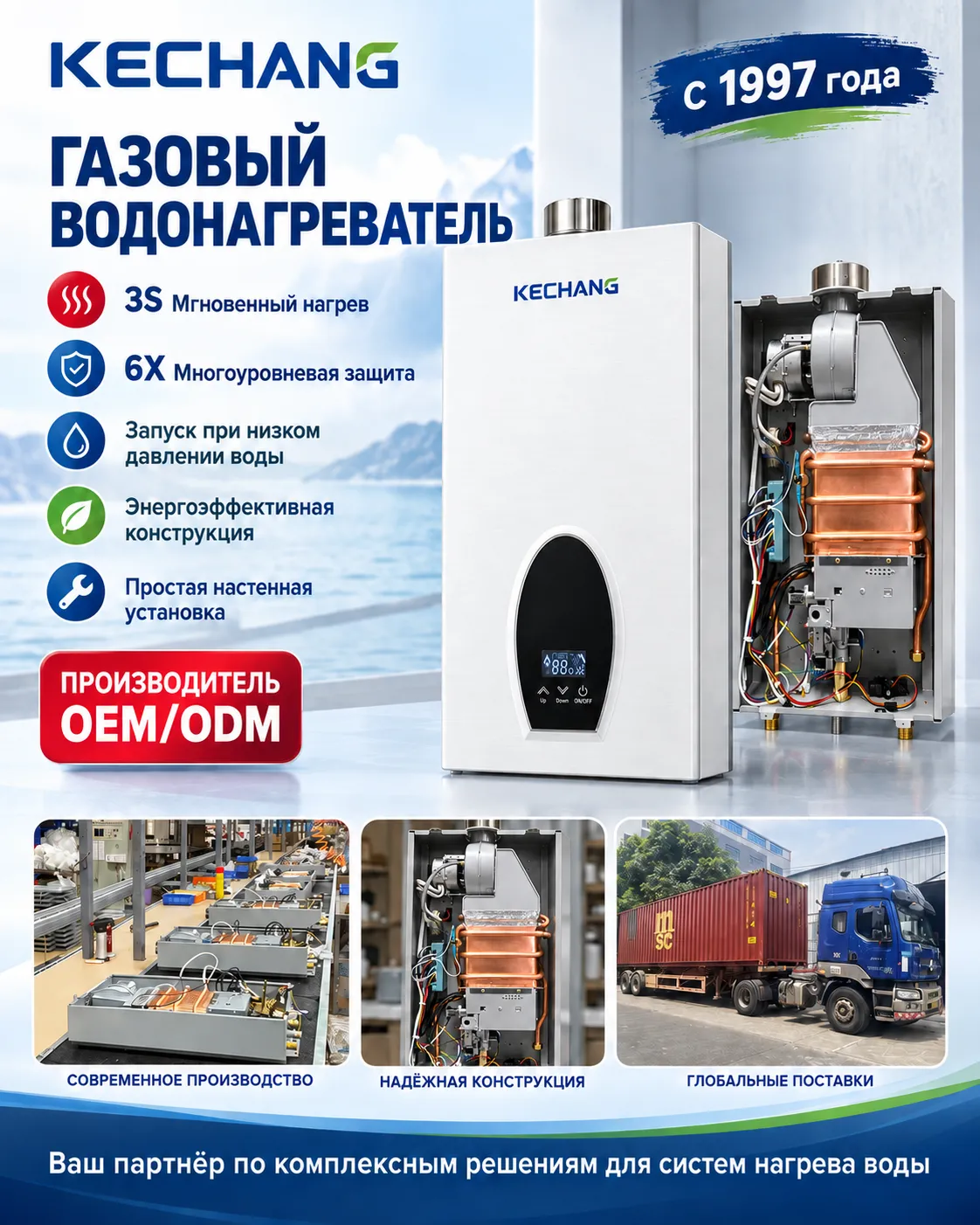
A gas tankless water heater is often a strong option where natural gas or LPG is available, the project needs several hot-water outlets, and the building can meet ventilation and flue requirements. Gas can deliver high heating input without requiring a large electrical service upgrade.
An electric tankless water heater may be more practical where gas is not available, indoor flue installation is difficult, or the project already has sufficient electrical capacity. Electric systems can have simpler exhaust requirements, but high-flow applications may need substantial voltage, amperage, and electrical-panel capacity.
The best choice depends on local utility pricing, incoming-water temperature, target flow, peak demand, building codes, and the cost of installation. Compare these factors before selecting a model.
Energy supply and hot-water output
Gas heating input
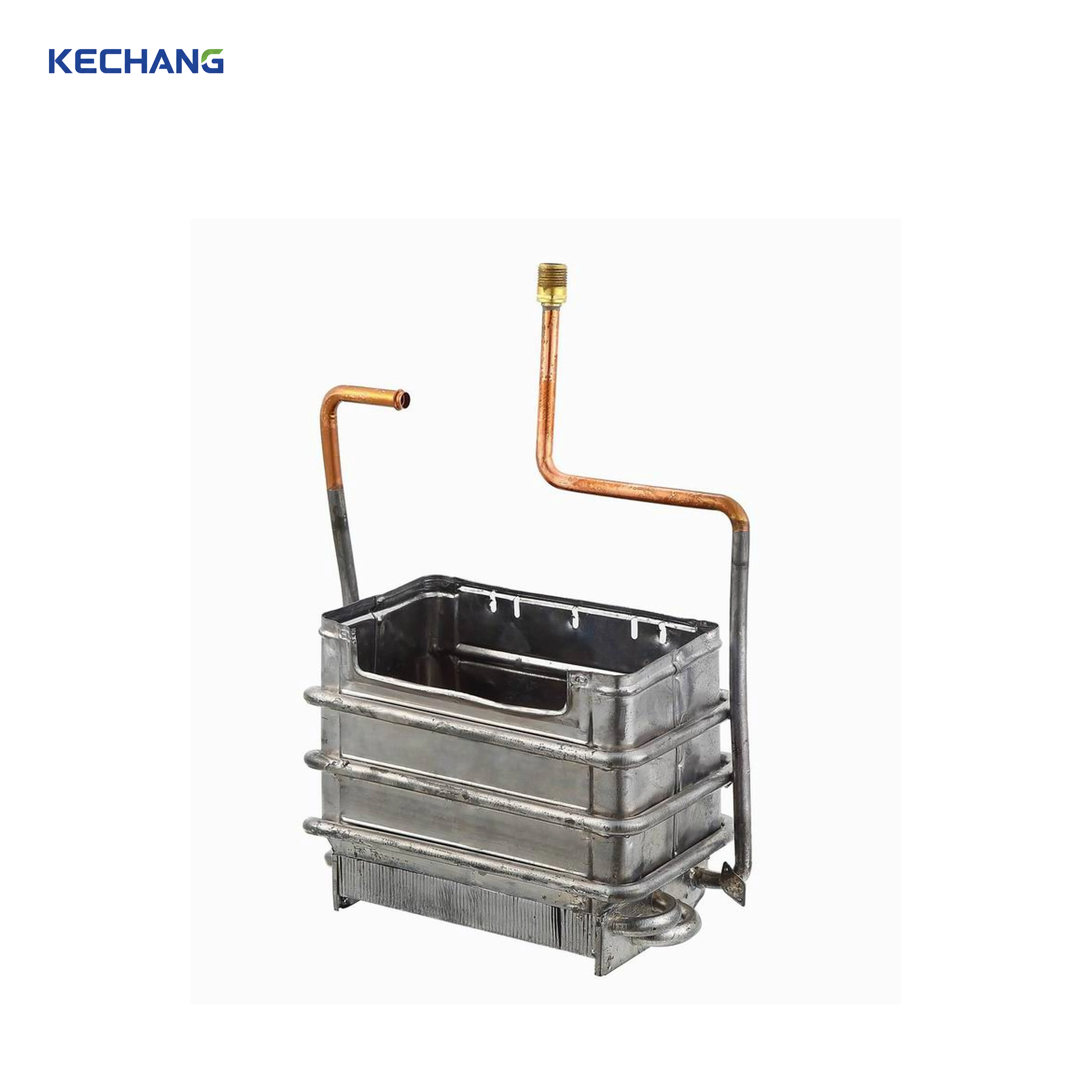
Gas water heaters use a burner and heat exchanger to transfer combustion heat to flowing water. A modulating gas valve can adjust burner input as demand changes. LPG and natural-gas versions must use the correct fuel configuration, regulator, inlet pressure, and approved conversion parts.
Gas output is normally reviewed using hot-water flow at a stated temperature rise. A 10L or 12L model may suit a smaller household, while a hotel or multi-bathroom project may require a larger model or multiple units. Always compare the required flow and temperature rise with the actual product specification.
Electric heating input
Electric tankless systems heat water with resistance elements. Their performance depends on available voltage, amperage, phase, and the temperature rise required. In cold climates or high-flow projects, the electrical demand can become a major design constraint.
For both systems, incoming-water temperature matters. The colder the inlet water, the more energy is required to produce the same outlet temperature. A product comparison that ignores winter water temperature can produce an unrealistic capacity estimate.
Electric vs Gas Tankless Water Heater Installation Differences
Gas water heater installation requires correct gas piping, a regulator where applicable, combustion air, exhaust routing, clearances, water connections, and commissioning by a qualified professional. Indoor flue-exhaust or balanced-flue models must meet local fuel-gas and building-code requirements.
Outdoor gas models still need safe exhaust clearances, weather protection, and access for service. Do not install an outdoor unit inside an enclosed cabinet or balcony unless the manufacturer and local code specifically permit it.
Electric installation may avoid gas piping and combustion exhaust, but the installer must confirm circuit capacity, cable size, breaker protection, grounding, voltage, phase, and the heater’s maximum power demand. An electric model that looks compact can still require major electrical work.
- Confirm fuel or voltage compatibility before ordering.
- Check water-pressure range and minimum activation flow.
- Review installation clearances and service access.
- Confirm whether a flue, air intake, drain, or pressure-relief device is required.
- Use qualified installers and follow the product manual and local code.
Operating cost and total landed cost
Gas water heater cost and electric water heater cost include more than the unit price. Compare energy tariffs, expected hot-water use, installation labour, gas or electrical upgrades, flue materials, maintenance, spare parts, and expected service life.
A gas system may have a competitive running cost where LPG or natural gas is affordable and hot-water demand is high. An electric system may reduce installation complexity where the building already has adequate electrical capacity and no gas connection.
For importers and distributors, total landed cost also includes packaging, shipping, port charges, inspection, compliance documents, replacement parts, warranty handling, and after-sales support. Request a complete quotation instead of comparing only the factory unit price.
For general energy-efficiency information, review the U.S. Department of Energy water-heating guidance.
Maintenance, safety, and service
Gas models require attention to the burner, flame sensing, gas pressure, heat exchanger, combustion air, and exhaust. Electric models require inspection of heating elements, wiring, terminals, sensors, flow controls, and scale buildup. Both types can lose performance when mineral scale restricts water flow or reduces heat transfer.
- Keep air inlets and exhaust terminals clear on gas models.
- Inspect visible water connections for leaks and corrosion.
- Clean approved inlet filters according to the manual.
- Flush scale using the manufacturer’s approved procedure.
- Record error codes and arrange professional service for repeated shutdowns.
Gas appliances also require combustion safety awareness. A yellow flame, soot, unusual combustion noise, gas smell, or carbon-monoxide alarm is not routine maintenance. Stop using the appliance safely and contact a qualified technician or emergency service when required.
What B2B buyers should request
Before selecting a gas or electric model for a project, send the factory a clear product brief. Include destination country, fuel or voltage, installation type, annual quantity, target flow, temperature rise, water-pressure range, packaging, branding, and required technical documents.
Ask for a sample and verify the following:
- Rated capacity, heat load, efficiency, and operating pressure.
- Fuel type, voltage, ignition method, and control system.
- Dimensions, connection sizes, flue configuration, and packaging.
- Available OEM, ODM, private-label, and spare-parts support.
- MOQ, sample lead time, production lead time, warranty, and inspection terms.
For a gas product reference, review the 10L LPG digital LCD tankless gas water heater. You can also review the gas water heater installation and maintenance guide, learn about the manufacturer on the Company Profile, or send a project brief through Contact Us.
Frequently asked questions
Is gas or electric cheaper for a tankless water heater?
There is no universal answer. Compare local energy prices, expected demand, installation cost, electrical upgrades, flue work, and maintenance. A gas system may suit high demand where gas is available; electric may suit smaller demand or buildings without gas service.
Does a gas tankless water heater need electricity?
Some gas models use batteries or water-flow ignition, while others need mains electricity for electronic controls or a forced-exhaust fan. Confirm the exact model requirements before installation.
Which system is better for a hotel or apartment project?
Review peak simultaneous flow, utility infrastructure, redundancy, maintenance access, local codes, and service availability. A properly sized gas system can suit high demand, while electric systems may simplify projects with strong electrical infrastructure.
How long does gas water heater installation take?
Installation time depends on the existing gas line, water connections, flue route, mounting, electrical supply, permits, and inspection requirements. A site survey is necessary for a reliable estimate.
Final recommendation
Choose gas when the project needs high flow and has suitable gas and flue infrastructure. Choose electric when gas is unavailable or electrical capacity and installation conditions make it the more practical option. For either system, correct sizing, qualified installation, documented specifications, and reliable after-sales support matter more than the lowest quotation.
Related Gas Water Heater Resources
For a structured sourcing checklist, read our gas water heater buying guide.
To compare available models and configurations, browse our gas water heater products.
To explore Kechang’s product categories and export services, visit the Kechang home page.
To understand production capability and OEM/ODM support, see the Gas Water Heater Factory Tour.
For inspection procedures and quality evidence, review the Quality Control page.