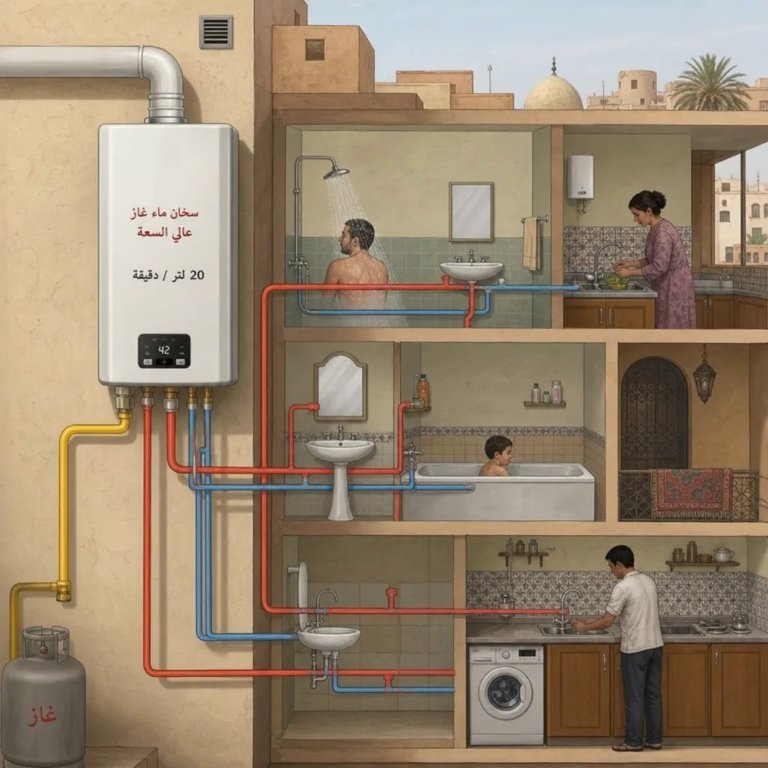
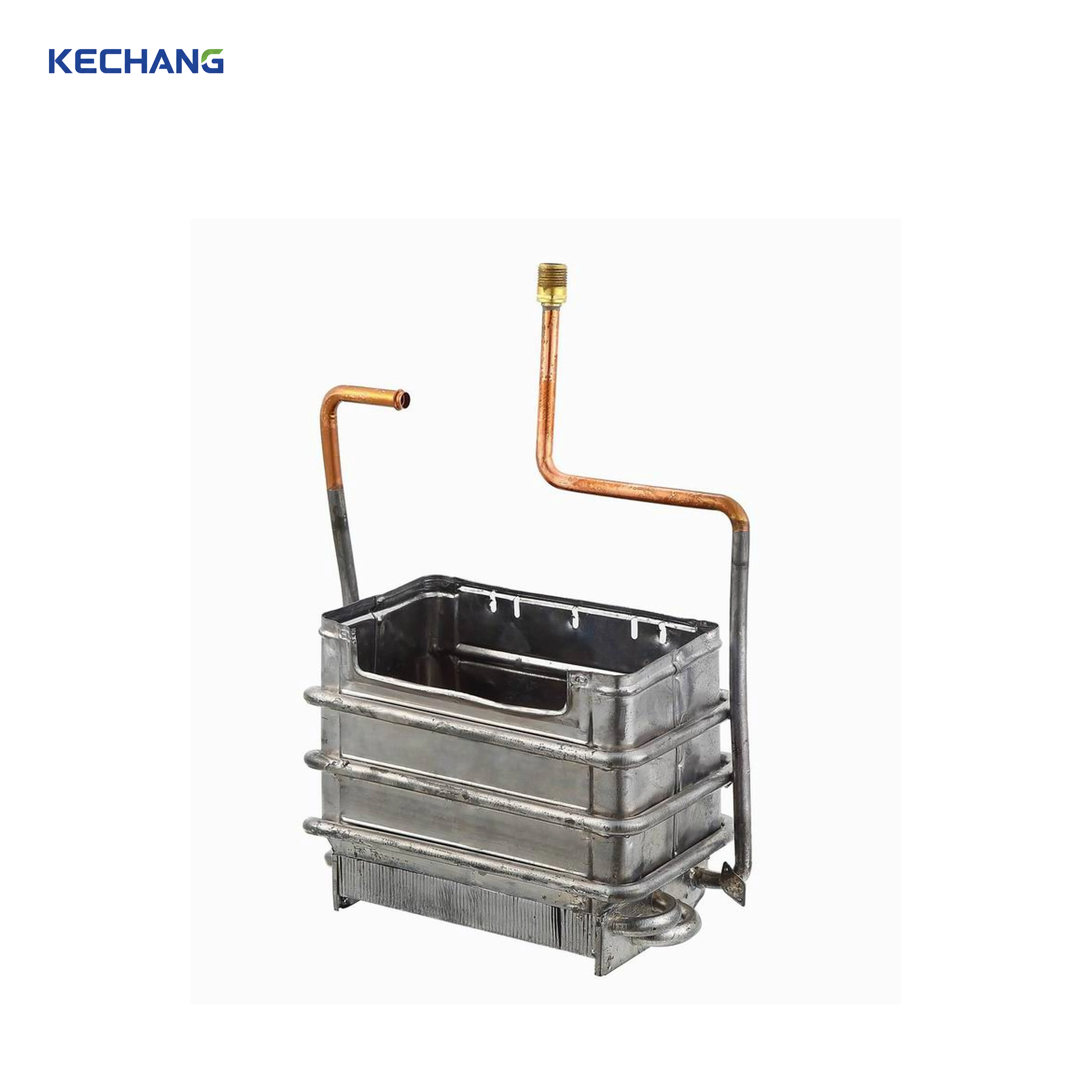
Gas water heater issues can be frustrating because several different components can create the same symptom. A gas water heater that does not ignite may have low gas pressure, weak water flow, a dirty filter, a failed igniter, or a safety lockout. A unit that keeps turning on and off may be reacting correctly to unstable demand—or it may need professional service.
This guide explains how to identify common gas water heater issues safely. It is intended for homeowners, installers, distributors, and gas water heater service teams. Never bypass a gas, combustion, flame-sensing, or over-temperature safety device.
Gas Water Heater Issues: When the Heater Does Not Ignite
When a tankless gas water heater does not ignite, begin with external checks. Confirm that the gas supply is available, the water shutoff is fully open, and the water flow is strong enough to activate the heater. A clogged inlet screen or low-pressure condition can prevent the flow sensor from sending a start signal.
- Confirm that the gas type matches the rating plate and that the service valve is open.
- Check whether other gas appliances are working without opening the heater cabinet.
- Open one hot-water tap fully to test whether the flow is above the activation threshold.
- Read the manual for the meaning of any error code before resetting the unit.
- If you smell gas or hear repeated ignition attempts, stop and call a qualified technician.
Water Temperature Is Too Hot, Too Cold, or Unstable
Temperature swings can result from low flow, several fixtures operating at once, incorrect settings, a scaled heat exchanger, or fluctuating water pressure. On a modulating heater, the gas valve adjusts burner input as demand changes. A contaminated flow sensor or plumbing crossover can make the system appear unstable.
Do not solve a temperature problem by increasing gas pressure yourself. Gas input, combustion, and maximum-temperature settings should be checked against the manufacturer’s specifications by a trained professional.
Why Does a Gas Water Heater Keep Turning On and Off?
A gas water heater may repeatedly shut down when it detects low flow, short water draws, a partially closed valve, a clogged filter, unstable gas pressure, or an airflow problem. In some cases, the heater is responding normally: a slightly opened faucet can fall below the minimum flow required to keep the burner operating.
- Test the heater with one hot-water fixture fully open.
- Clean only an external inlet filter if the manual specifically permits it.
- Check whether the problem occurs at every fixture or only one tap.
- Look for a blocked vent termination, but do not dismantle the vent.
- Record the timing, error code, water flow, and temperature whenever the unit stops.
Low Hot-Water Output or Slow Recovery
Compare the required flow rate with the heater’s rated capacity. A 10L or 12L model cannot deliver unlimited hot water at the same temperature when several showers and sinks operate together. Cold inlet water also matters: winter conditions require more energy to reach the same outlet temperature.
For a product reference, see the 10L LPG digital LCD tankless gas water heater.
Venting, Flame, and Safety Warning Signs
A yellow or lazy flame, soot, unusual combustion noise, unexpected condensation, or a carbon-monoxide alarm is not a routine maintenance reminder. These signs may indicate poor combustion, blocked venting, incorrect gas pressure, or damaged components.
Turn the appliance off if it is safe to do so. If you smell gas or detect carbon monoxide, leave the building and contact the gas utility or emergency services from a safe location. For general carbon-monoxide safety information, consult the U.S. Centers for Disease Control and Prevention guidance.
Gas Water Heater Maintenance Checklist
- Keep air intakes and vent terminations clear.
- Inspect visible connections for water leaks and corrosion.
- Flush scale according to the manufacturer’s instructions.
- Replace batteries where applicable and test carbon-monoxide alarms.
- Arrange professional checks of combustion, gas pressure, flame sensing, and safety cutoffs.
Learn about the manufacturer on the Company Profile page, or send model-specific questions through Contact Us.
When to Call a Professional
Call a qualified gas-appliance technician when the heater repeatedly locks out, shows a combustion-related error, leaks gas or water, produces soot, needs a gas conversion, requires vent changes, or cannot maintain temperature after basic external checks. Do not open sealed combustion chambers or adjust gas valves based on online instructions.
Frequently Asked Questions About Gas Water Heater Issues
Why does my gas water heater shut off after a few minutes?
Low flow, unstable gas pressure, a flame-sensing problem, restricted venting, or an over-temperature condition can cause repeated shutdowns. An error code and professional diagnosis are usually needed.
Can I clean a gas water heater myself?
You may perform external cleaning and user-approved filter maintenance. Burner, gas-valve, combustion, and vent work should be handled by a qualified technician.
Is a yellow flame normal?
No. A yellow or sooty flame can indicate unsafe combustion. Stop using the appliance and arrange a professional inspection.
Final Safety Note
Gas appliances combine fuel, combustion, heat, water, and sometimes electricity. Follow the owner’s manual, local fuel-gas and building codes, and the instructions of a qualified professional. If you smell gas, leave the building and contact the gas utility or emergency services from a safe location.
Related Gas Water Heater Resources
For a structured sourcing checklist, read our gas water heater buying guide.
To compare available models and configurations, browse our gas water heater products.
To explore Kechang’s product categories and export services, visit the Kechang home page.
To understand production capability and OEM/ODM support, see the Gas Water Heater Factory Tour.
For inspection procedures and quality evidence, review the Quality Control page.